Lower Ball Joints
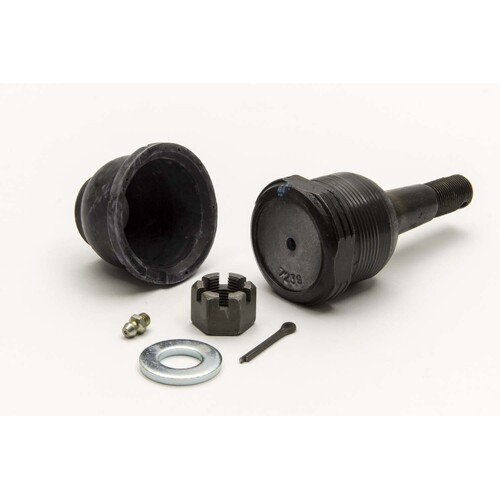
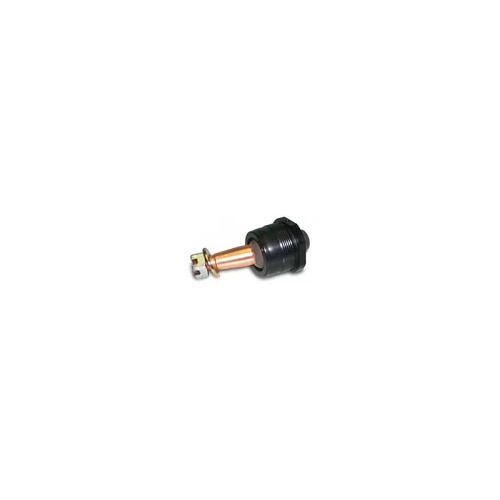
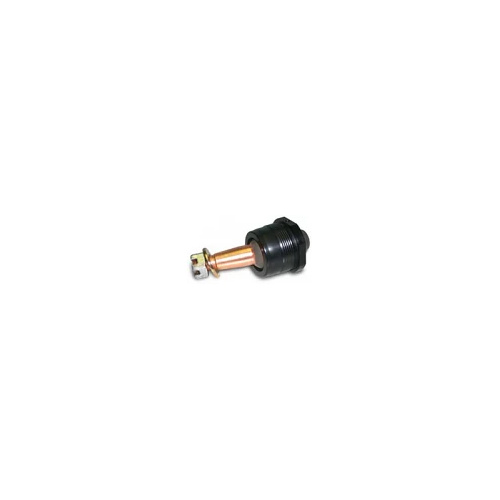
Lower ball joints are the pivot point between the lower control arm and the steering knuckle, letting the wheel travel with the suspension while turning with steering input. Wear here shows up as clunking, vague steering or uneven tyre wear, and in a race car it can let the wheel move out of position under load.
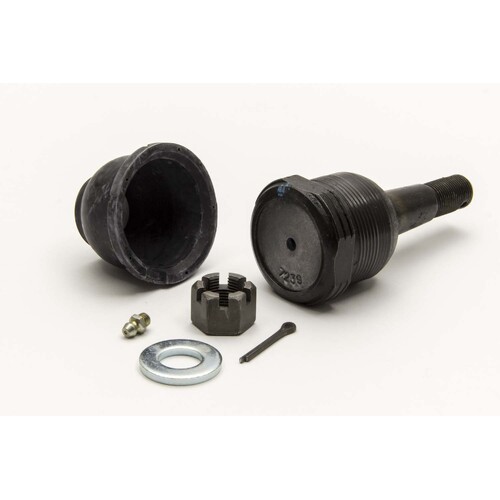
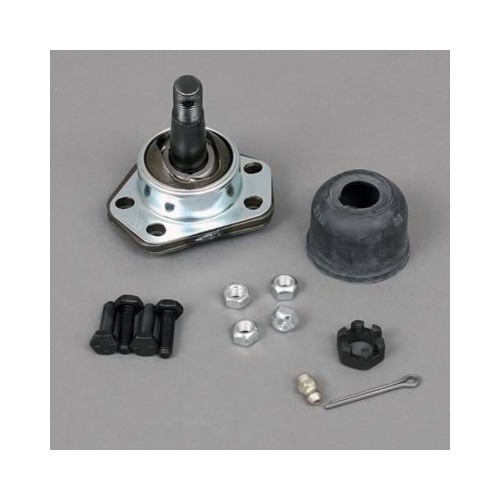
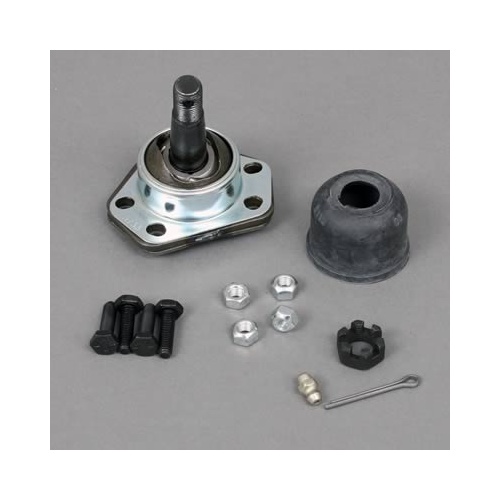
The range includes standard and low friction lower ball joints, with screw-in options from Howe matched to specific applications (Chevy, Chrysler) and weld-in options from Allstar. AFCO also supply upper ball joints for Chevelle applications if you need both ends covered.
Choose based on your control arm style (screw-in versus weld-in) and the application it replaces. Check against the Moog reference numbers where listed to confirm fitment.
Frequently asked questions
What are the signs a lower ball joint needs replacing?
Clunking or knocking from the front suspension, loose or vague steering, and uneven tyre wear from shifting alignment are the main warning signs. In more advanced wear, the wheel can move out of position under load, which is a safety issue on track.
What does a lower ball joint actually do?
It's the pivot point between the lower control arm and the steering knuckle, letting the wheel move up and down with suspension travel while turning left and right with steering input. It keeps the wheel correctly located and aligned under load.
What causes lower ball joints to wear out faster in racing?
High lateral loads through corners, heavy impacts from rough surfaces, and constant suspension cycling all accelerate wear. Dirt and moisture contamination, especially on dirt or speedway tracks, and insufficient lubrication add to it.
How do I know whether I need a screw-in or weld-in ball joint?
This depends on how your control arm is set up. Screw-in types thread into the control arm, while weld-in types are welded in place, so match it to your existing arm style or what the replacement is designed to suit.