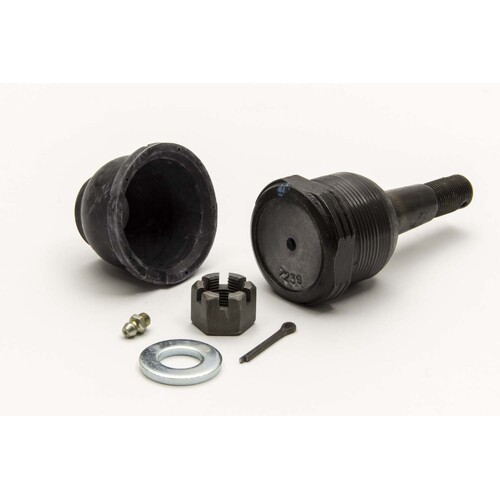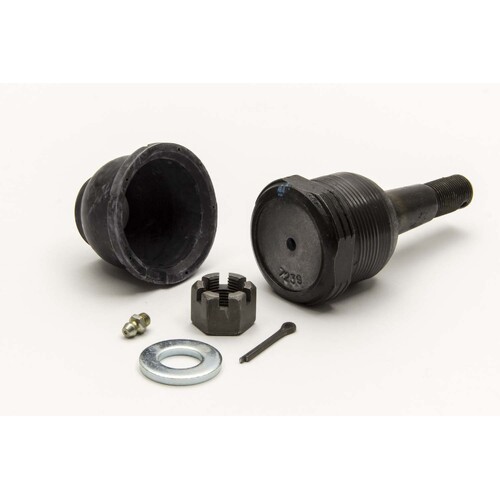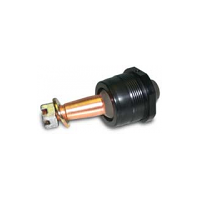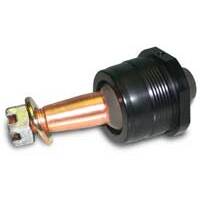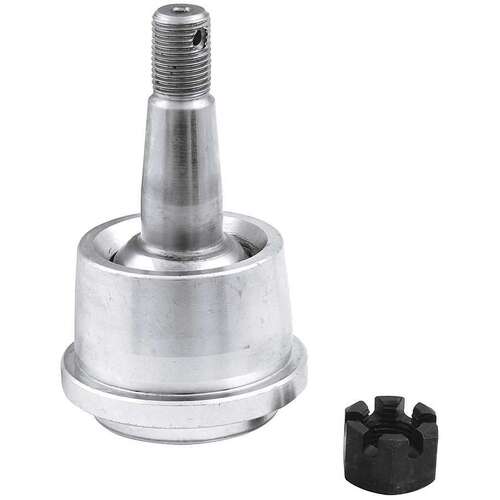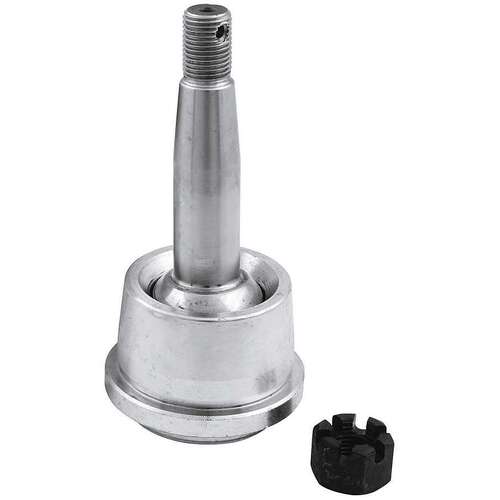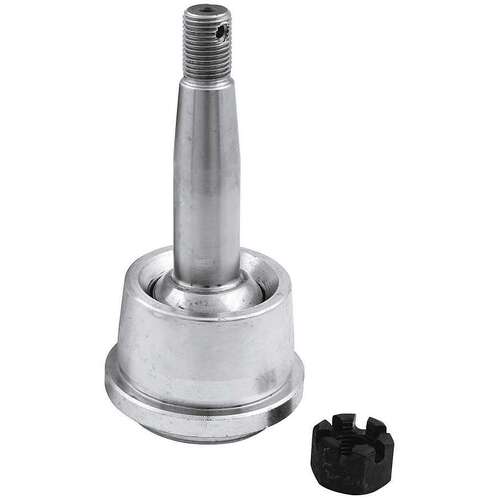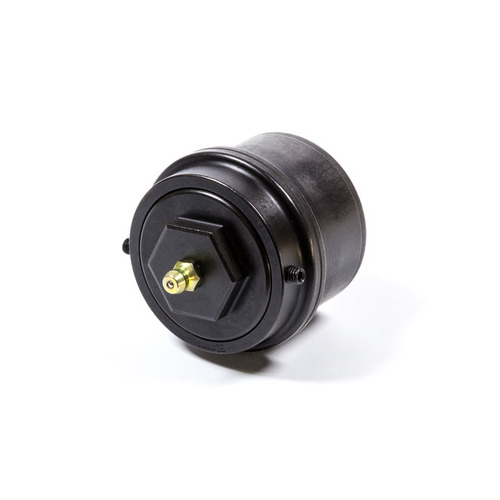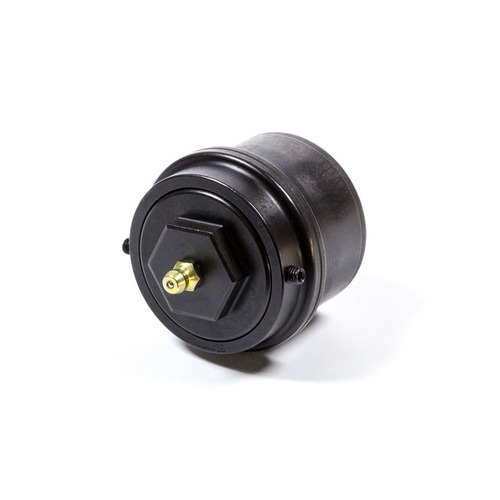
Lower Ball Joints
Lower Ball Joints: The Small Part That Controls Big Moments
You can feel a good front end instantly. The car turns in cleanly, holds a line without arguing, and stays composed when you lean on it under brakes. A lot of that confidence comes from components most people never see, starting with the lower ball joint. It’s the main pivot point between your suspension and steering, allowing controlled movement while keeping your wheel pointed where you intend. When it’s right, the car feels precise. When it’s even slightly off, everything feels harder than it should.
We stock lower ball joints for race and speedway cars across Australia, selected for reliable fitment and race-grade durability. It’s one of the most important upgrades because it affects how the car behaves in every corner, on every surface, in every condition.
Why Racers Replace Lower Ball Joints Before They “Fail”
In motorsport, parts don’t need to break to cost you speed. Lower ball joints carry heavy loads through cornering, handle harsh impacts, and hold alignment under constant stress. Once wear begins, even in small amounts, you can lose the crisp steering feel you rely on. That’s where lap time quietly disappears. Through small steering corrections, unpredictable bite, or tyres that wear unevenly because the geometry isn’t staying where you set it.
Quality matters because racing conditions punish shortcuts. A well-made lower ball joint is built to maintain tight tolerances so the stud seats correctly, the joint articulates smoothly, and the assembly resists deflection under load. That translates into consistency: the car reacts the same way on lap three as it does on lap twenty. It also protects the rest of your front end by keeping forces controlled, rather than allowing movement that transfers stress into control arms, steering links, hubs, and tyres.
Lower Ball Joints from IBRP: Built for Confidence and Quick Turnaround
We focus on lower ball joints suited to real racing use so you can bolt them in and get back to doing what matters: driving. If you’re unsure what fits your setup, our team can help you confirm compatibility and avoid the common issues that cause headaches, like incorrect tapers or mismatched components.
We ship Australia-wide and understand how race-week deadlines work. Whether you’re freshening the car before a big event or chasing a steering issue that’s been creeping in over time, replacing lower ball joints is one of the smartest ways to restore the feel and precision that makes a car enjoyable and fast.
Explore our Lower Ball Joints range online, and if you want a second set of eyes on your fitment, reach out.
FAQ's
What happens when lower ball joints go bad?
When a lower ball joint starts to wear or fail, the car will usually let you know, and in motorsport, you absolutely want to listen. You might notice clunking or knocking sounds coming from the front suspension, especially over bumps or during direction changes. Steering can feel loose, vague or unpredictable, and tyre wear may become uneven as the wheel alignment shifts beyond acceptable limits. In more advanced cases of wear, handling becomes genuinely dangerous, as the affected wheel can move out of its intended position at the worst possible moment. On a race track or speedway, that's not a risk worth taking. Inspecting your lower ball joints regularly and replacing them at the first sign of wear is simply part of running a competitive, safe race car.
What does a lower ball joint do?
The lower ball joint is one of those components that quietly does a massive job in your race car's front suspension. Acting as the pivot point between the lower control arm and the steering knuckle, it allows the wheel to move up and down with the suspension travel while simultaneously rotating left and right with your steering inputs. Think of it as the critical link that keeps your wheel properly connected to the chassis, maintaining the correct geometry and alignment under all the dynamic forces a race or speedway car experiences. Without a functioning lower ball joint, your front suspension simply cannot do its job, and neither can your steering. It's a small component that carries enormous responsibility every single time the car moves.
What destroys ball joints?
Racing is hard on components, and lower ball joints are no exception. The biggest contributors to premature ball joint wear are high lateral loads through corners, heavy impacts from rough track surfaces, and the constant stress of repeated suspension cycling under race conditions. Contamination from dirt, grit and moisture can also break down the joint's internal surfaces over time, particularly in speedway and dirt track environments where dust and debris are part of every meeting. Insufficient lubrication, running incorrect suspension geometry and pushing worn components beyond their serviceable life all accelerate the damage. The good news is that choosing quality replacement ball joints designed for motorsport use, like the options available here at IBR, gives you a product built to handle exactly these kinds of demands.