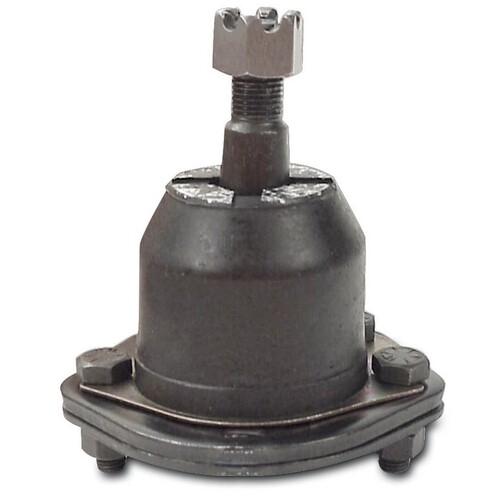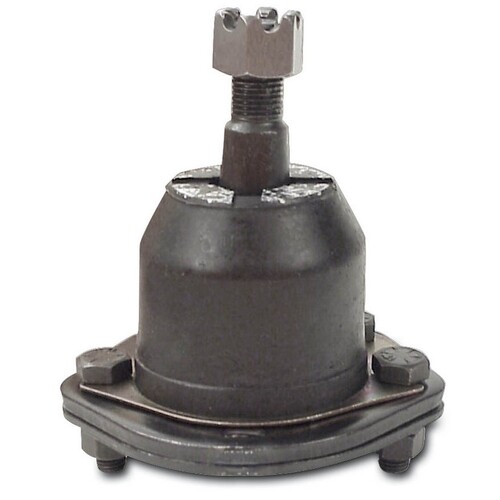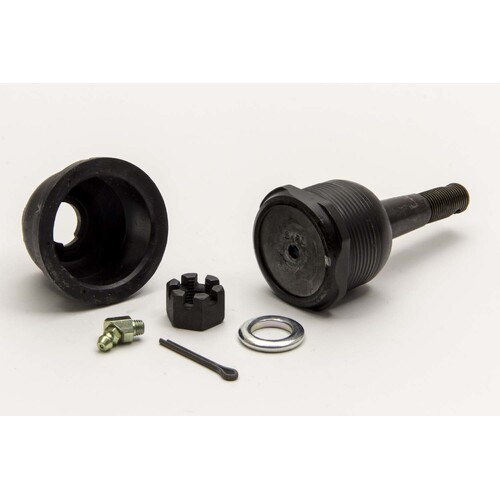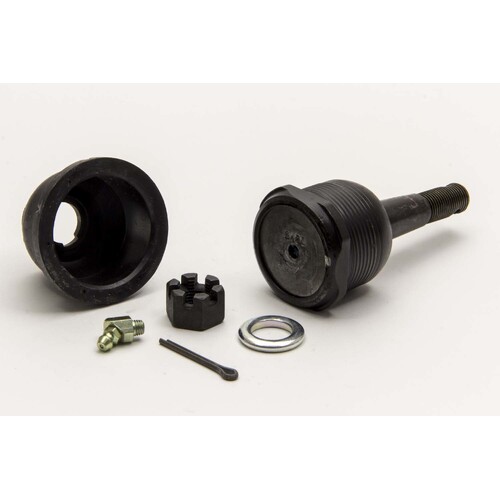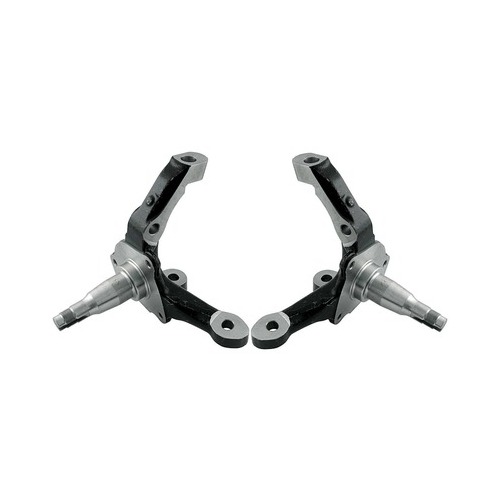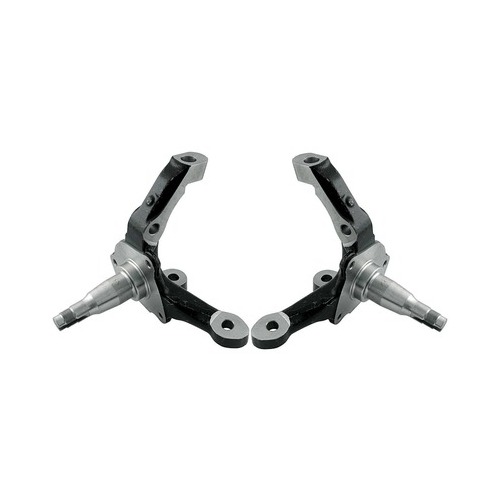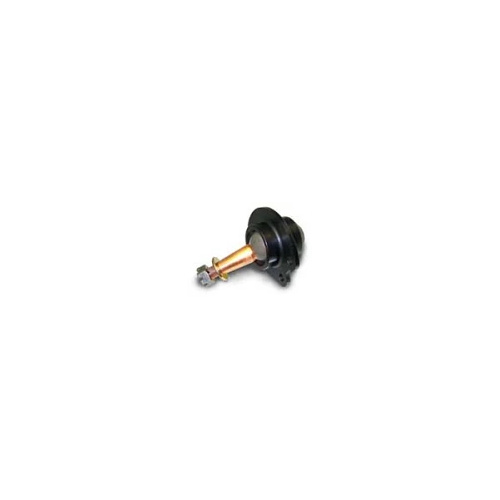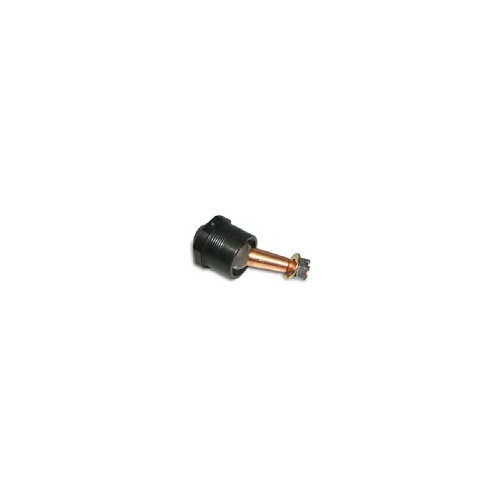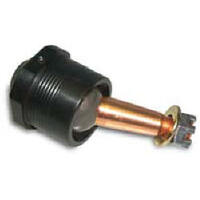
Ball Joints & Components
Ball Joints & Components: Essential for Precision and Performance in Racing
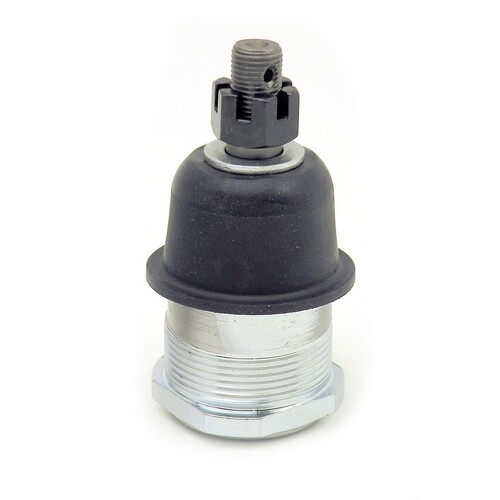
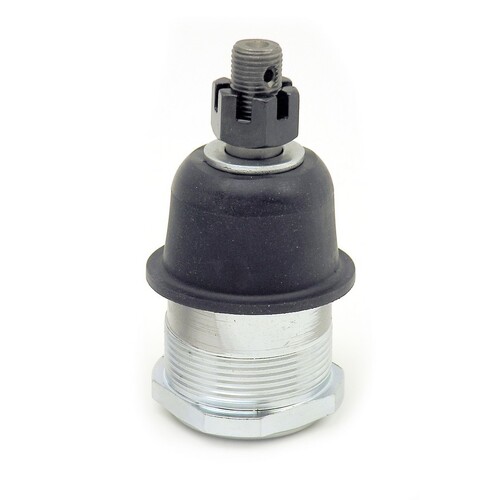
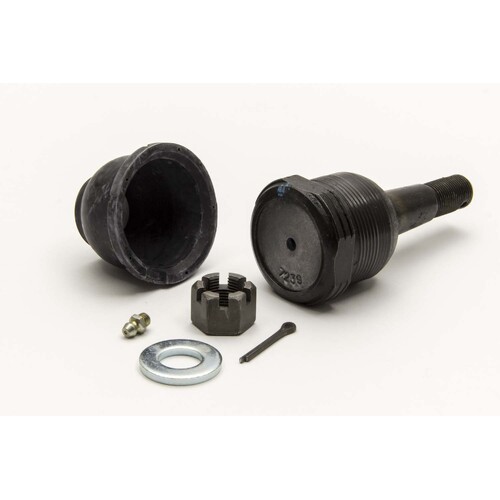
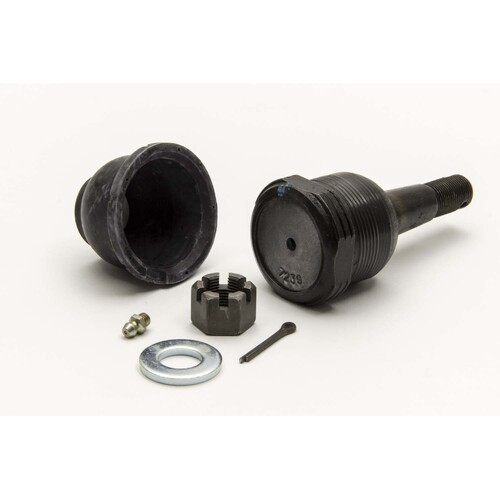
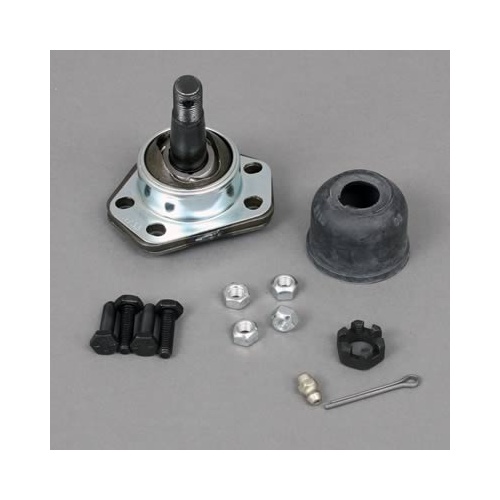
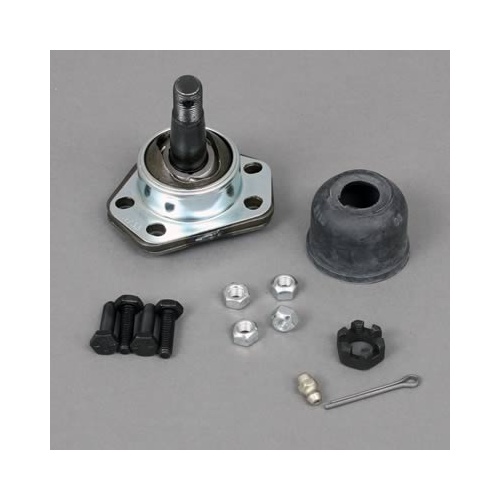
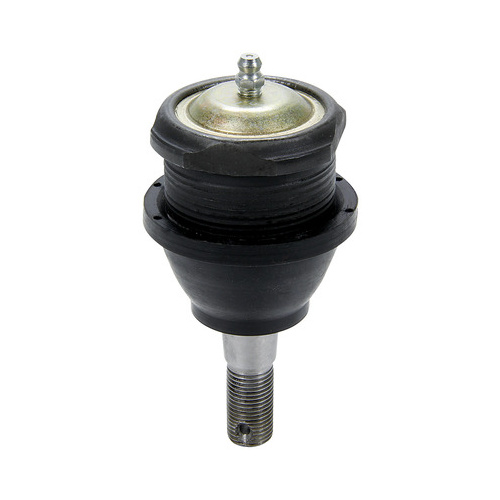
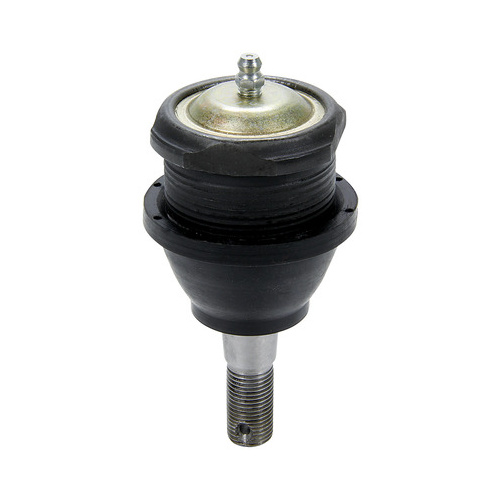
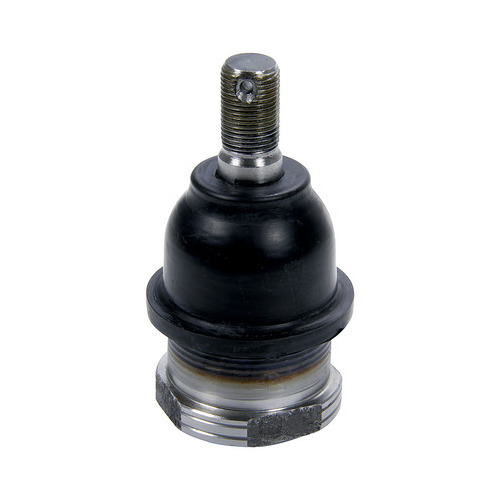
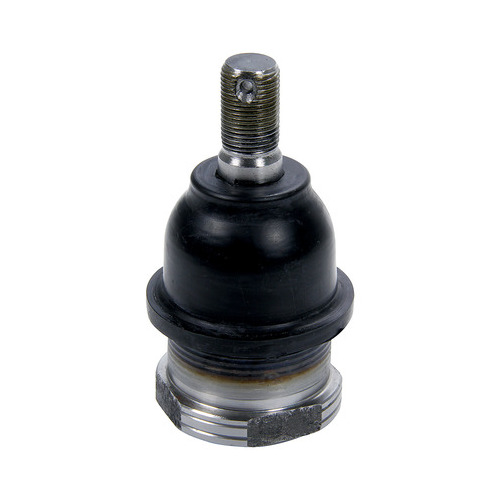
Ball joints are a critical component in any high-performance racing vehicle, serving as the pivot point between the control arms and steering knuckles. Their primary function is to enable smooth and responsive movement of the suspension while maintaining the stability and control necessary for racing. In motorsport, where precision handling and durability are crucial, having high-quality ball joints can significantly impact performance on the track.
One of the biggest advantages of using ball joints in race cars is their ability to improve handling and steering control. With precise articulation, ball joints allow for greater responsiveness when navigating sharp turns and high-speed straights. Their role in maintaining proper wheel alignment also contributes to better traction and stability, making them indispensable for competitive racing.
Durability is another key factor. Racing environments put immense stress on suspension components, and ball joints must withstand high loads, intense heat, and extreme vibrations. High-performance ball joints are engineered to endure these harsh conditions, ensuring longevity and reliability throughout races.
Suspension performance is another critical area where ball joints excel. By reducing friction and enhancing movement, they provide smoother operation for the entire suspension system, allowing for improved cornering capabilities and increased grip. Lighter ball joints also contribute to weight reduction, which is a significant advantage in racing. Reducing unsprung weight enhances aerodynamics and overall vehicle performance. Safety is another benefit, as high-quality ball joints prevent unpredictable suspension failures, allowing drivers to maintain better control of their vehicle in high-pressure situations.
Ball Joint Maintenance and Common Issues in Racing
Regular maintenance and inspections are vital to ensuring ball joints remain in top condition, as wear and tear can significantly affect handling and performance. Identifying signs of deterioration early, such as excessive play, unusual noises, or irregular tire wear, can help prevent mechanical failures during races. If a ball joint begins to loosen or show movement beyond normal limits, it should be replaced immediately to avoid suspension instability.
Ball joint failure in race cars is often caused by excessive load, improper lubrication, or lack of maintenance. Choosing high-quality ball joints designed for racing applications and using the correct lubricant can extend their lifespan and maintain performance levels. Proper installation is also crucial; ensuring ball joints are fitted correctly with the right torque settings helps to prevent premature failure and guarantees optimal articulation. Routine inspections before and after every race allow drivers and mechanics to check for any early warning signs of wear, ensuring the vehicle remains in peak condition for every competition.
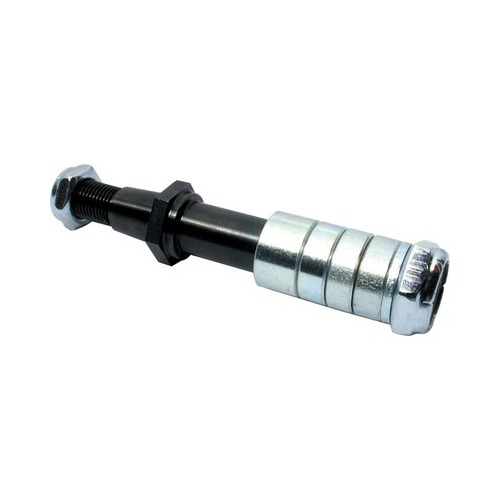
At Ian Boettcher Race Parts (IBRP), we stock a wide range of high-quality ball joints and components at competitive prices, catering to racers who demand reliability and performance. Based in Queensland, we proudly deliver nationwide, ensuring that drivers across Australia have access to premium suspension parts. Our online store makes it easy to find and order the right ball joints for your race car, providing a seamless shopping experience from selection to delivery. Explore our range today and experience the difference that top-tier ball joints can make on the track.
FAQ's
What does a ball joint do?
A ball joint is the pivot that lets your suspension steer and move up and down at the same time, maintaining precise wheel alignment while the chassis loads and unloads through corners, bumps and braking. The joint allows multi-axis articulation so tyres stay correctly pointed and planted, which preserves contact patch, braking stability and steering feel. In racing, a high-quality ball joint also reduces friction and play, sharpening turn-in and improving tyre wear over a stint. Correct preload, stud taper fitment and dust sealing are critical; when the taper seats properly and the housing is kept clean and lubricated, the assembly resists deflection under heavy loads and retains alignment targets.
What are the symptoms of a failing ball joint?
Common signs include wandering or vague steering on the straight, a clunk or knock over bumps and during turn-in, uneven or accelerated tyre wear on the inside or outside shoulder, and a steering wheel that no longer self-centres cleanly after a corner. You may notice imprecise braking feel as the wheel toes in and out under load, a metallic creak at low speeds as the joint binds, or measurable play when the wheel is lifted and rocked at the 12 and 6 o’clock positions. Visual checks can reveal split dust boots, dry or contaminated grease, rust staining around the taper, or a stud that sits off-centre in the housing—each a cue the joint has lost preload or lubrication. On a race car, lap-to-lap inconsistency, sudden balance changes and unexplained setup drift can also point to joint wear. If you encounter any of these symptoms, inspect both sides, confirm torque on taper and retaining hardware, and replace in pairs where appropriate.
Is it ok to drive with a bad ball joint?
No. Continuing to drive or race with a worn or damaged ball joint is unsafe and risks loss of steering control, tyre failure and collateral damage to control arms, uprights and brakes. As the joint wears, clearance increases and the wheel can change camber and toe unexpectedly, lengthening stopping distances and making the car unpredictable mid-corner; in severe cases the stud can separate from the housing, allowing the suspension to collapse. For road cars, any confirmed play should be addressed immediately and the vehicle kept off public roads until repaired; for competition vehicles, replace the joint before the next session and re-verify alignment, torque and bump-steer settings after installation.